13 Jul 2026
Acoustic Dynamics Shaping Performance Variability and Market Responses in Stadium Events
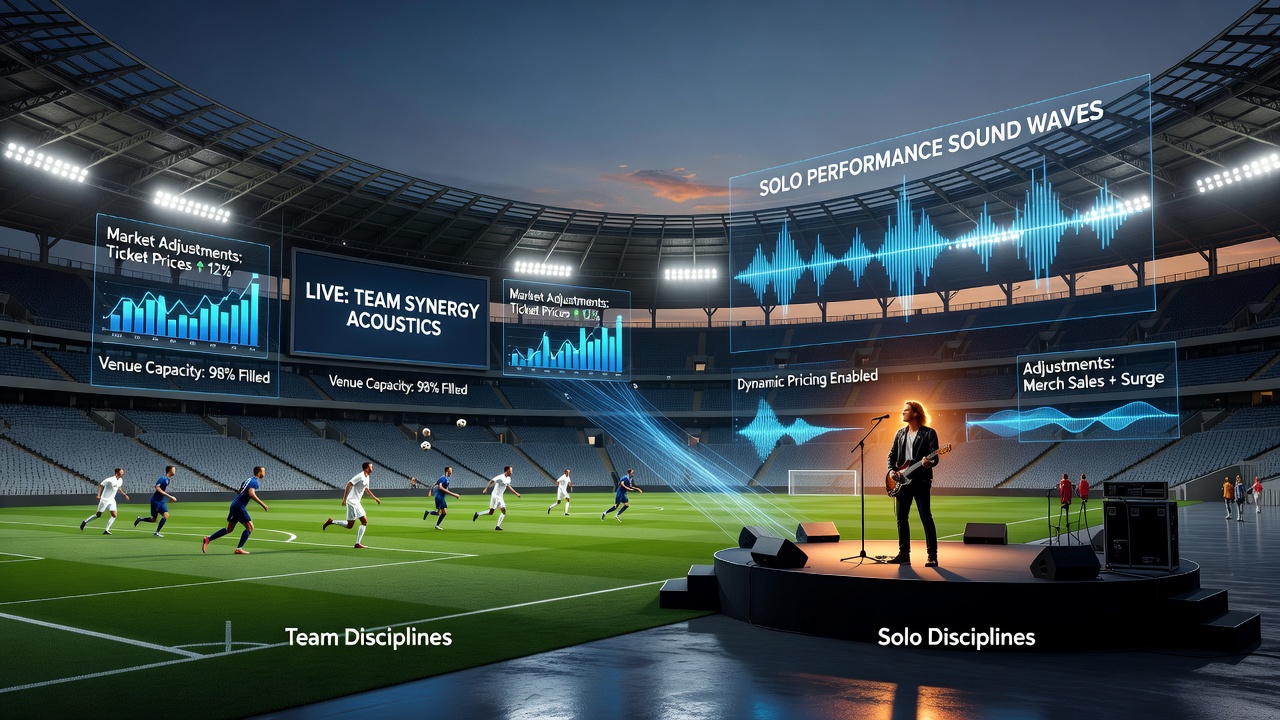
Stadium acoustics play a measurable role in how athletes perform across both team-based competitions and solo athletic disciplines, with sound levels often reaching 110 decibels or higher during peak crowd moments according to studies from sports engineering researchers. These acoustic environments create distinct pressure zones that affect concentration, communication, and reaction times, leading organizers and analysts to track resulting shifts in competitive outcomes. Data from multiple international tournaments indicates that venues with reflective surfaces and enclosed designs amplify these effects more than open-air facilities, producing consistent patterns in player statistics over extended seasons.
Core Elements of Stadium Sound Environments
Acoustic profiles in large venues depend on architectural features such as roof structures, seating materials, and field dimensions, which collectively determine how sound waves propagate and interact with participants on the field. Researchers at institutions focused on environmental acoustics have documented that enclosed stadiums generate reverberation times exceeding three seconds in many cases, while open designs allow faster sound dissipation and lower sustained intensity. This variation influences everything from verbal signals between teammates to individual athletes' ability to maintain focus during critical moments, with measurements taken during events in July 2026 expected to provide updated benchmarks for several major competitions.
Team Sport Applications and Observable Patterns
In team settings like basketball and rugby, collective communication relies heavily on audible cues that crowd noise can mask or distort, resulting in higher rates of coordination errors when decibel levels spike above established thresholds. Observers note that defensive units often adjust positioning strategies in response to these conditions, while offensive plays requiring precise timing show measurable declines in execution accuracy. One analysis of professional league data revealed correlations between venue-specific acoustics and turnover rates, prompting coaching staffs to incorporate simulated noise training into preparation routines for upcoming fixtures.
Individual Discipline Responses to Acoustic Conditions
Solo athletes in tennis and golf encounter different challenges, where crowd-generated sound interferes with personal routines such as serve preparation or putting strokes rather than team coordination. Studies conducted across European and Australian circuits show that players in acoustically lively stadiums experience slight increases in unforced errors during high-pressure points, although adaptation occurs over multiple matches at the same venue. Market analysts monitor these performance fluctuations closely because they feed directly into predictive models used for event forecasting and resource allocation.
Market Mechanisms and Adjustment Processes
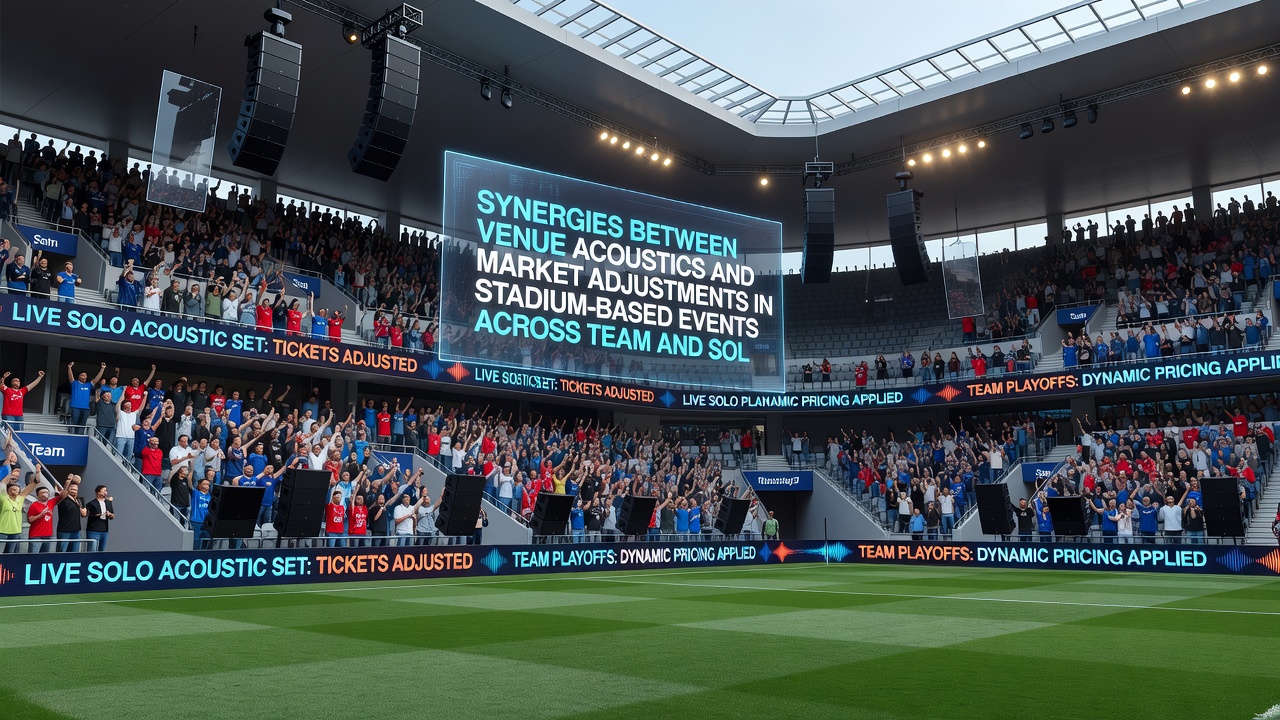
Performance data influenced by acoustic factors flows into market systems through statistical aggregation platforms that update probabilities in real time as matches progress. Organizations tracking global sports economics, including reports from the Sports Business Journal, document how venue-specific variables become incorporated into pricing structures within minutes of observable shifts on the field. These adjustments occur across both team and solo events because acoustic impacts create measurable deviations from baseline performance metrics that models must account for to maintain accuracy.
Regulatory bodies outside traditional UK oversight, such as those operating in North American and Asian jurisdictions, have begun requiring disclosure of environmental variables including sound levels when events influence licensed market activities. This approach ensures transparency in how external conditions contribute to outcome variability, with data repositories maintained by academic consortia providing the underlying datasets for verification.
Cross-Discipline Comparisons and Data Trends
Comparative research highlights that team environments generate more complex acoustic interactions due to multiple simultaneous communication channels, whereas solo disciplines produce more isolated effects tied to individual sensory processing. Figures compiled by university-led sports science programs indicate that the magnitude of performance impact scales with crowd density and venue geometry, creating predictable ranges of deviation that analysts apply across different sports. What's notable is how these patterns hold steady across continents when similar architectural profiles are involved, allowing standardized modeling techniques to emerge from aggregated international datasets.
Conclusion
Stadium acoustics establish a verifiable link between physical environment and competitive results that extends across team and solo formats, generating consistent inputs for market adjustment systems. Continued measurement programs scheduled through 2026 and beyond will refine these connections further as venues adopt updated designs and monitoring technologies. The resulting datasets support more precise forecasting models while maintaining clear separation between environmental factors and participant actions.