6 Jun 2026
External Catalysts Reshaping Market Movements in Major Athletic Competitions
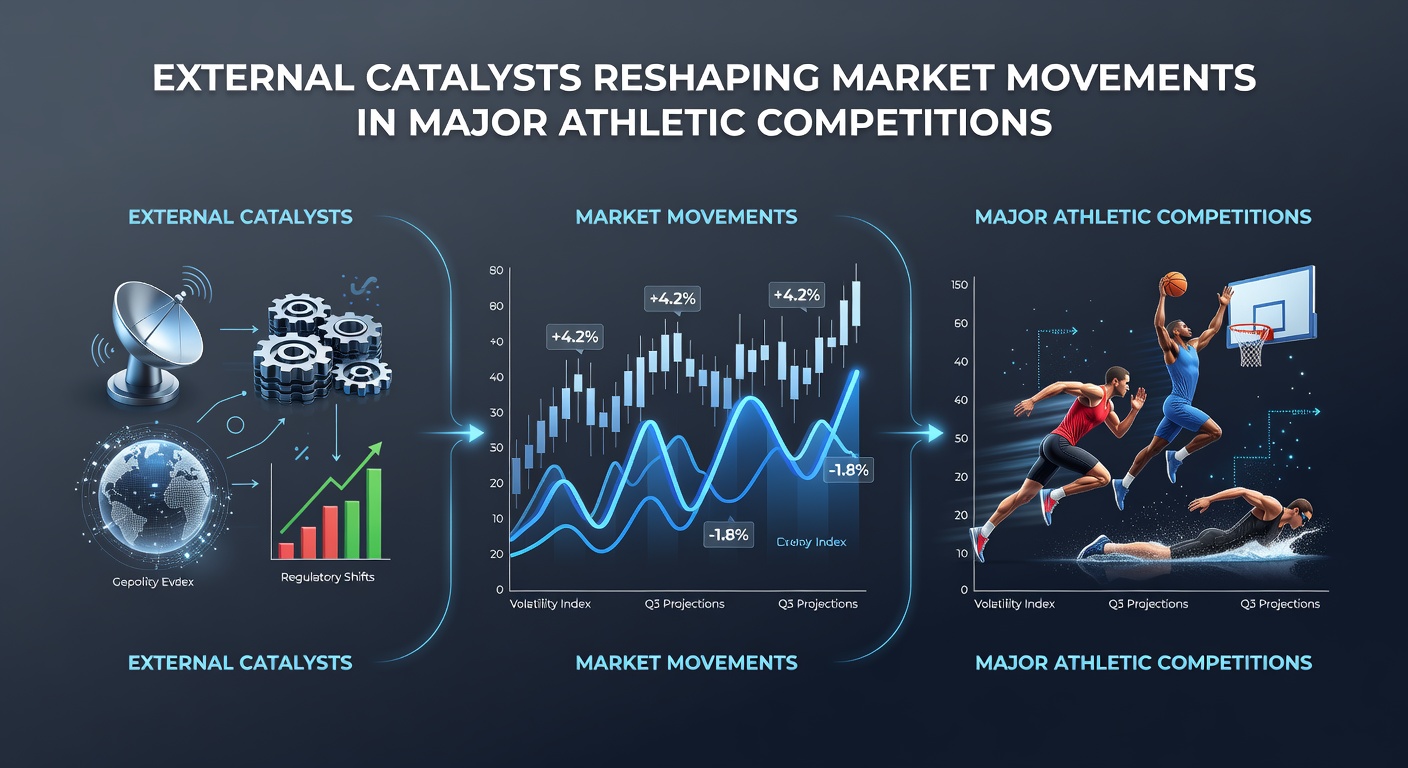
External catalysts continue to drive significant shifts in how markets respond during major athletic competitions, and observers note that these influences extend far beyond traditional performance metrics. Geopolitical developments, technological breakthroughs, and evolving regulatory frameworks create ripple effects that reshape participant strategies along with spectator engagement patterns, while data from sources such as the Nevada Gaming Control Board shows measurable impacts on transaction volumes during high-profile international events. Economic fluctuations in key regions add another layer because currency volatility and trade policy changes alter sponsorship landscapes and team funding structures, which in turn affect how analysts project outcomes in basketball tournaments and soccer leagues alike.
Geopolitical Tensions and Their Reach Into Competition Markets
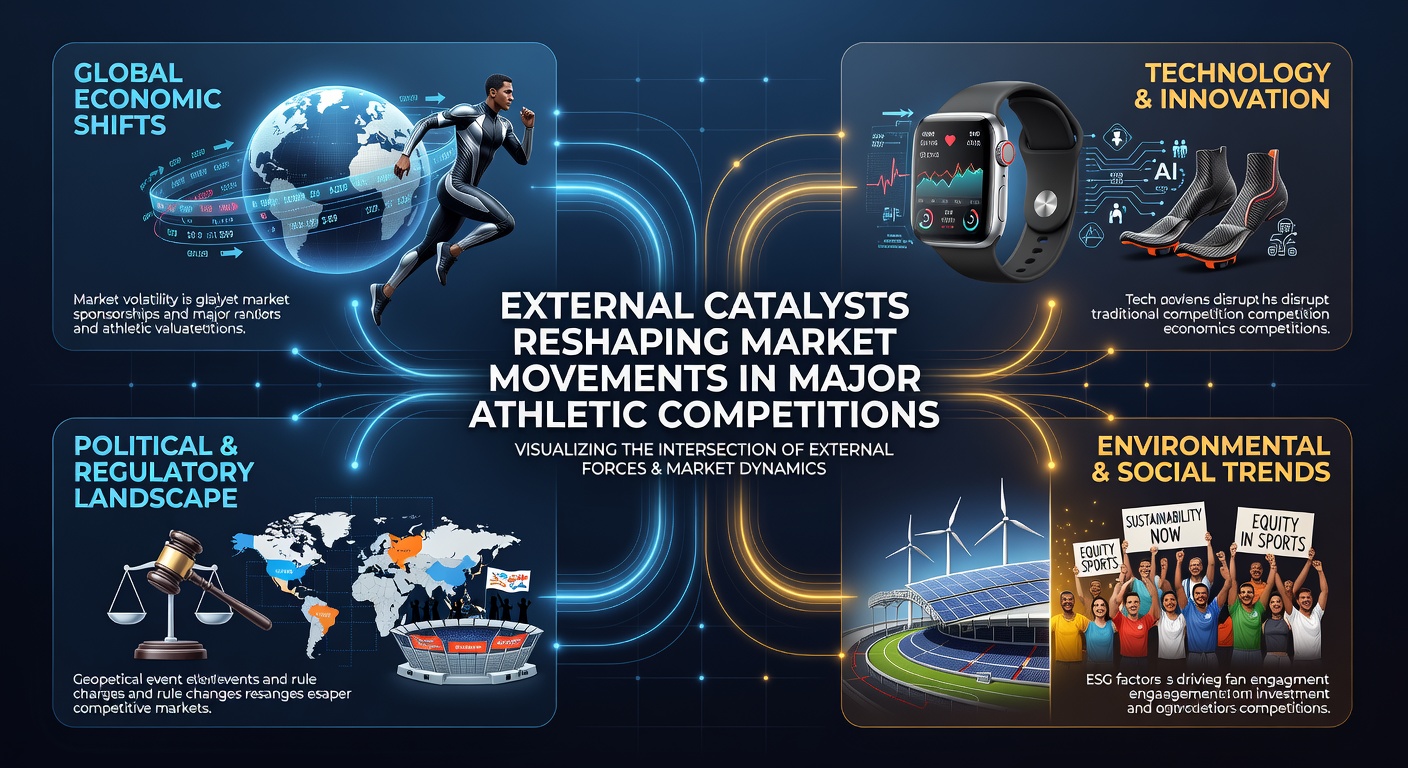
Diplomatic strains between nations often surface in athletic arenas through altered participation rules or venue selections, and researchers have documented corresponding adjustments in market behaviors as a result. When trade disputes escalate, supply chains for equipment and apparel face disruptions that force federations to revise schedules or relocate events, creating windows where odds adjust rapidly in response to new information. Those who track these patterns observe that sanctions imposed on certain countries can limit athlete travel, thereby concentrating talent pools in unaffected regions and prompting reevaluations of team strengths across multiple disciplines.
Take one case from recent cycles where regional conflicts prompted last-minute host changes for qualifying rounds, and analysts recorded immediate recalibrations in futures markets tied to those competitions. The effects compound when media coverage amplifies narratives around boycotts or restricted broadcasting rights, since these factors influence viewer turnout and associated commercial revenues that underpin many professional leagues.
Technological Innovations Accelerating Market Responsiveness
Advances in data analytics and real-time tracking systems have transformed how external information integrates into competition frameworks, and studies from institutions like the University of Melbourne highlight accelerated decision-making cycles in both participant preparation and market pricing. Wearable sensors now feed live biometric data into coaching staffs, which allows for mid-event substitutions based on fatigue indicators rather than pre-set rotations alone. Artificial intelligence models process historical and current variables simultaneously, generating projections that incorporate variables such as travel fatigue from extended international schedules or adjustments due to new equipment regulations.
These tools do not operate in isolation, because federations must align them with fairness protocols that themselves evolve under public scrutiny. When a new video review protocol debuts during a championship cycle, markets absorb the change through revised probabilities around close calls, and participation in related prop categories reflects that learning curve over subsequent matches. Observers note that June 2026 may bring further integration of augmented reality overlays in broadcast feeds for select tournaments, which could introduce additional data streams for analysts to monitor.
Regulatory Shifts and Cross-Border Participation Dynamics
Policy updates from gaming authorities in various jurisdictions create compliance requirements that indirectly steer competition structures, and figures from the Malta Gaming Authority reveal how licensing adjustments in one region can influence event hosting decisions elsewhere. When eligibility criteria tighten around age groups or nationality transfers, talent distribution across clubs shifts accordingly, and this redistribution surfaces in pre-season assessments. Cross-border player movement faces added scrutiny under updated visa frameworks, which sometimes delays roster finalizations and extends the period during which markets operate with incomplete information sets.
Health and safety mandates represent another vector, since updated concussion protocols or doping detection methods alter recovery timelines and therefore availability projections for key athletes. Those who've examined longitudinal datasets point out that such mandates often coincide with broader societal conversations, amplifying their visibility and prompting federations to issue clarifying statements that markets then incorporate.
Conclusion
External catalysts operate as interconnected forces that continuously recalibrate market responses across major athletic competitions, and evidence from multiple regulatory and academic channels confirms their persistent influence on participation patterns and outcome projections. As new variables emerge in cycles like the one approaching June 2026, stakeholders across the ecosystem adapt through refined analytical approaches and collaborative policy refinements. The interplay between these elements underscores the dynamic nature of competition environments where preparation meets external pressures at every turn.