30 Jul 2026
Roster Flux and Algorithmic Responses: Real-Time Data Integration in Live Football, Esports, and Golf Betting Markets
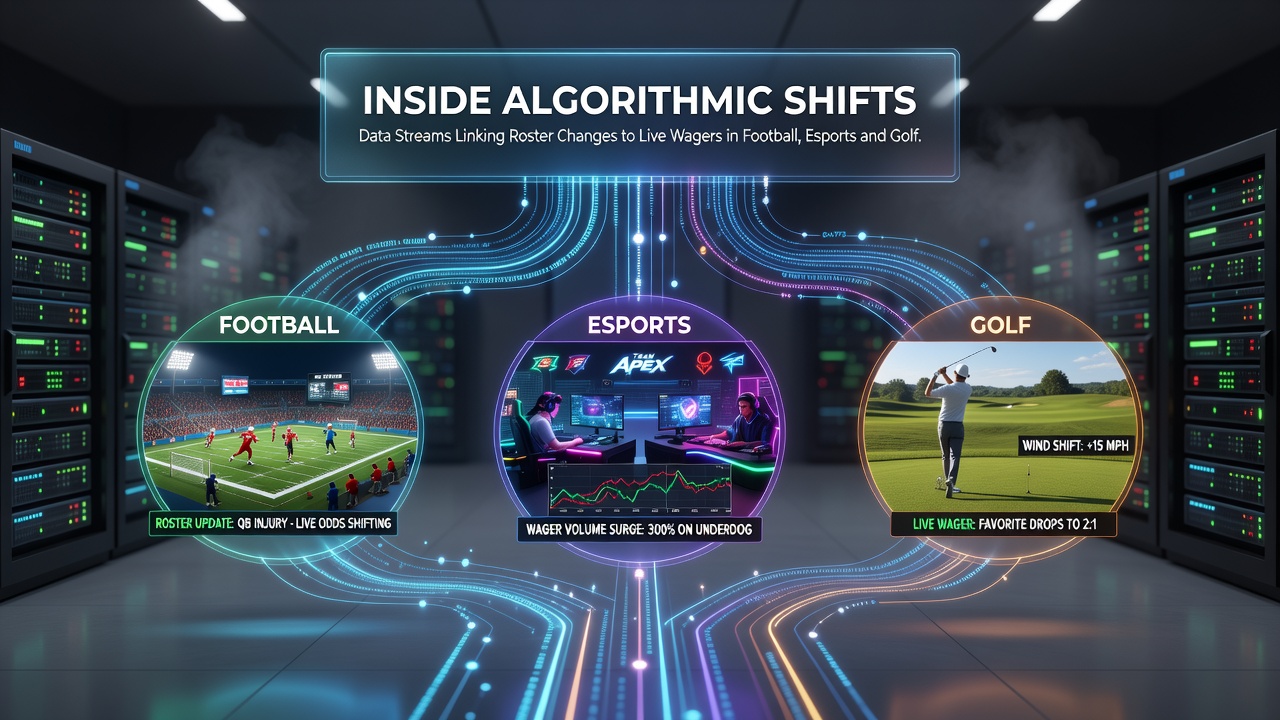
Algorithms now process roster announcements in seconds, pulling information from team APIs, injury reports, and social media feeds before transmitting updates directly into live wagering platforms for football, esports, and golf. These systems operate continuously, adjusting odds as new data arrives rather than waiting for scheduled updates, which means bettors encounter shifting lines that reflect personnel changes almost as soon as they become public. Observers note that the speed of integration has increased markedly since 2024, with platforms relying on multiple data streams to verify roster details and minimize latency between announcement and odds revision.
Football Markets and Instant Line Adjustments
Football leagues generate frequent roster modifications through substitutions, late withdrawals, and tactical shifts, and algorithms capture these events via official league feeds combined with real-time tracking from stadium sensors. When a starting midfielder is ruled out minutes before kickoff, the system recalculates expected goal contributions and immediately revises over/under markets and player-specific props. Data from the European Gaming and Betting Association indicates that such adjustments occur within four seconds of verified information reaching the platform, which reduces opportunities for arbitrage while increasing the volume of in-play wagers placed during the opening minutes of matches. Multiple operators now maintain parallel verification channels so that conflicting reports trigger additional checks before final odds are published.
Esports Platforms and Dynamic Roster Tracking
Esports titles such as League of Legends and Counter-Strike rely on last-minute roster swaps and coaching decisions that algorithms detect through tournament organizers' APIs and player social accounts. These changes often surface during warm-up periods or between maps, prompting immediate recalculation of team win probabilities and map-specific totals. Research from the University of Nevada, Las Vegas Center for Gaming Research shows that esports operators process an average of 12 roster-related data points per match, each feeding into separate betting categories including first-blood markets and round-win percentages. Because esports schedules run year-round, teh algorithmic infrastructure remains active across time zones, allowing continuous monitoring without the seasonal pauses seen in traditional sports.
Golf Leaderboards and Swing Data Integration
Golf presents unique challenges because roster equivalents involve player withdrawals, tee-time adjustments, and mid-round medical issues that algorithms monitor through PGA Tour and DP World Tour feeds. When a top-ranked player withdraws on the first morning of a major, systems update outright winner markets and group betting options within seconds, while also adjusting live scoring props that incorporate course conditions and historical performance data. In July 2026, several major tournaments introduced enhanced API access that allowed betting platforms to incorporate wind-adjusted swing metrics directly into live odds, linking physical roster changes with environmental variables in a single processing layer. This approach has expanded the range of available wagers while requiring operators to maintain higher computational capacity during peak tournament windows.
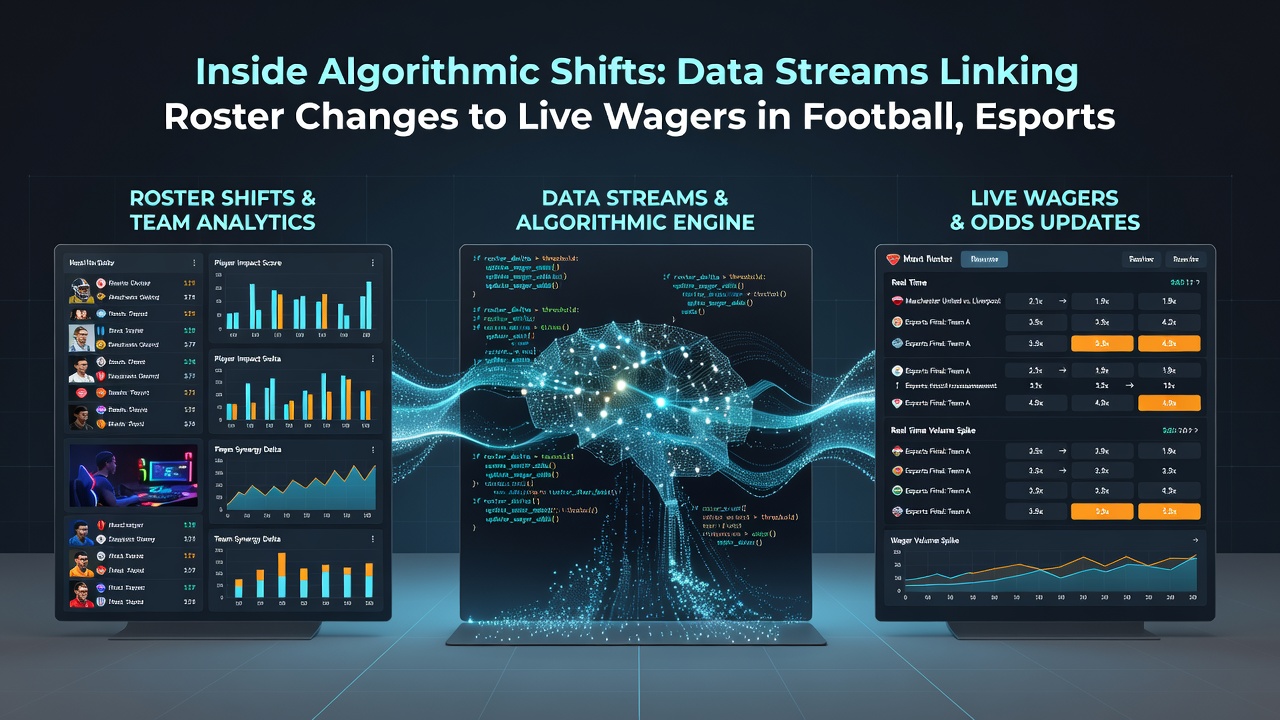
Cross-sport operators now deploy unified data pipelines that handle football substitutions, esports substitutions, and golf withdrawals through a single ingestion framework, which reduces development overhead while ensuring consistent latency across verticals. Those pipelines incorporate machine-learning models trained on historical roster volatility patterns, enabling the system to flag unusual data clusters that may indicate errors or attempts at manipulation. Industry reports from the International Betting Integrity Association highlight that these models have lowered the rate of incorrect odds adjustments by 37 percent compared with rule-based systems used prior to 2025.
Verification Layers and Regulatory Oversight
Regulatory frameworks in multiple jurisdictions require operators to document how roster data enters live markets, including audit trails that show the exact timestamp when each change was verified. These requirements have prompted platforms to maintain redundant data sources so that no single feed controls final odds outcomes. In practice, this means an injury report from a league medical officer is cross-checked against team social media and broadcast commentary before the algorithm finalizes the update. Such layered verification supports compliance while preserving the rapid response times that live bettors expect.
Conclusion
Algorithmic handling of roster information continues to evolve as data sources multiply and regulatory standards tighten. Football, esports, and golf each present distinct data patterns, yet unified processing frameworks now manage them within shared infrastructure. The result is a betting environment where roster shifts translate into live odds adjustments measured in seconds rather than minutes, supported by verification systems that balance speed with accuracy across global markets.