30 May 2026
The Unseen Impact of Stadium Crowds on Odds Shifts in Major Athletic Contests
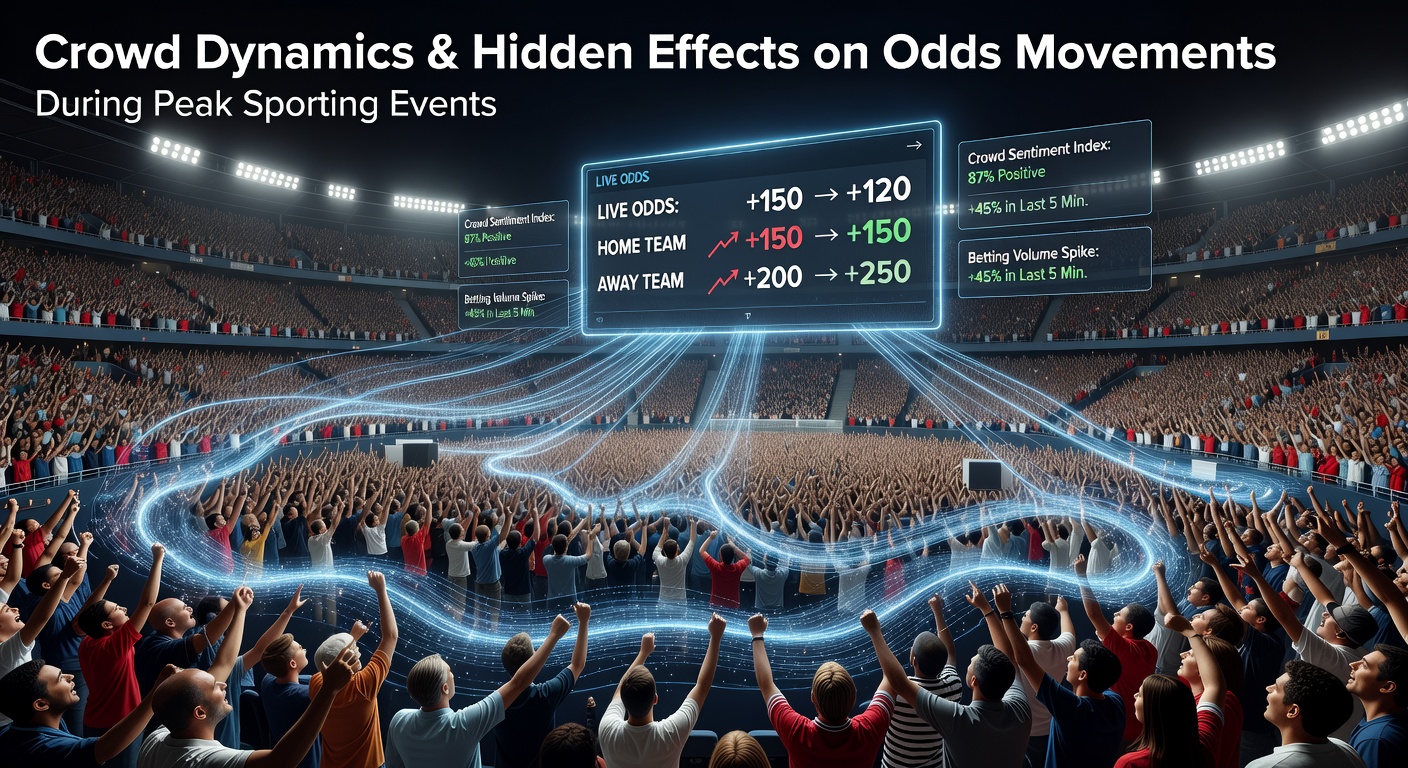
Stadium atmospheres during peak sporting events create measurable pressure on athletes that often translates directly into rapid adjustments across betting markets, and researchers have tracked these patterns through performance data collected from leagues worldwide. Large gatherings generate noise levels exceeding 100 decibels in enclosed venues, which studies link to elevated cortisol responses in competitors and subsequent declines in precision tasks such as free-throw shooting or serve accuracy. Betting operators monitor these physiological indicators alongside real-time statistics to recalibrate live odds within seconds of observable momentum changes.
How Crowd Density Alters Player Execution
Teams competing at home venues with sellout attendances post higher success rates in critical moments, according to aggregated data from multiple professional leagues, while away squads experience measurable drops in shooting percentages and decision speed under sustained auditory pressure. Observers note that crowd surges during key plays, such as third-down conversions in American football or penalty situations in soccer, correlate with increased error rates among visiting players. This dynamic prompts oddsmakers to widen spreads or adjust totals mid-event as execution patterns emerge on the field.
Data from major tournaments shows that venues with capacities above 70,000 amplify these effects compared with smaller facilities, because larger audiences sustain higher decibel averages throughout the contest. Researchers at academic institutions have quantified how sustained noise reduces auditory cues that athletes rely on for timing and communication, leading to coordination breakdowns that betting algorithms detect through play-by-play feeds.
Live Odds Adjustments Triggered by Atmosphere Shifts
Bookmakers integrate stadium audio metrics and social media sentiment analysis into their models because these inputs reveal crowd-driven momentum before traditional box scores fully reflect the change. During May 2026 events, including international tournaments scheduled across Europe and North America, operators expect heightened volatility in prop markets tied to individual performances when capacity crowds fill arenas. Such conditions produce sharper line movements on player-specific wagers as fatigue sets in earlier for road participants.
One case involved a basketball playoff series where home-team free-throw accuracy dipped 8 percent during peak crowd noise periods, prompting immediate revisions to over/under lines on total points. Similar patterns appear in tennis grand slams and cricket test matches, where partisan support influences umpiring decisions and player focus in measurable ways.
Regional Variations in Crowd Influence
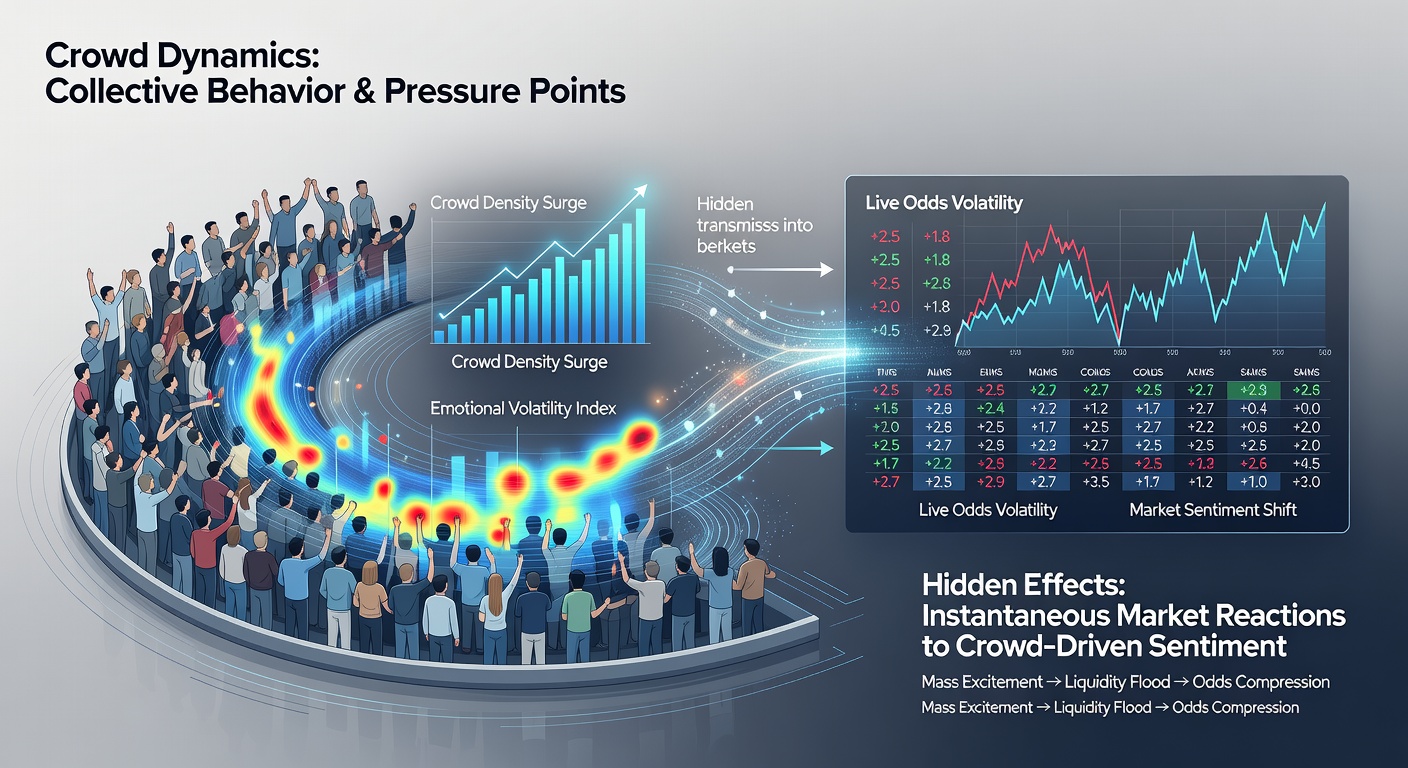
North American venues tend to generate more consistent pressure through organized chants and coordinated distractions, whereas European and Australian stadiums often produce intermittent spikes tied to specific scoring opportunities. Reports from the Nevada Gaming Control Board highlight how these regional differences affect the timing and magnitude of odds revisions across sportsbooks licensed in that jurisdiction. Australian researchers have documented comparable effects in rugby league matches, where vocal home support correlates with higher penalty differentials favoring the local side.
International governing bodies such as FIFA have examined how fan proximity to the pitch influences referee behavior in soccer, creating secondary effects on betting markets for cards and corners. These findings encourage operators to layer environmental variables into predictive systems that anticipate line movement rather than merely react to it.
Technology and Data Integration in Modern Markets
Advanced tracking systems now capture decibel readings alongside player biometrics, allowing algorithms to forecast performance degradation before it appears in scoring summaries. This integration produces tighter spreads on live wagers because the market incorporates atmospheric data that was previously unavailable. Industry analyses from organizations like the European Gaming and Betting Association indicate that events with strong crowd dynamics generate higher handle volumes during the middle quarters or halves when fatigue compounds external pressure.
Those monitoring betting patterns observe that sharp bettors often target live markets immediately following loud crowd reactions, recognizing that subsequent plays carry elevated variance. This behavior accelerates odds movement and creates brief windows of value before the market stabilizes around the new equilibrium.
Conclusion
Crowd dynamics exert documented influence on athletic output and, by extension, on the speed and direction of odds movements during peak events. Performance datasets combined with environmental measurements provide operators and analysts with tools to anticipate shifts that once appeared random. As venues continue to fill for high-profile competitions in 2026 and beyond, these hidden variables will remain central to accurate pricing across global betting markets.